Affiliate disclosure: This post contains affiliate links. If you buy through them, we may earn a small commission at no extra cost to you.
Shoes are the clutter that greets you the moment you walk in. They pile up by the door, migrate under beds, and stack in a teetering heap at the bottom of the closet until finding the pair you want means digging with your foot. The fix isn't a bigger closet — it's giving every pair a home and making the everyday shoes the easiest ones to reach. Here's how to sort, store, and keep it that way.
Step 1: Pull every pair out and edit hard
Gather all the shoes in the house into one spot — closets, entryway, car, under the bed, the back of the coat rack. Seeing the whole collection at once is the wake-up call. Try each questionable pair on and be honest: the heels that hurt after ten minutes, the sneakers worn through at the toe, the "someday" pairs you haven't touched in two years. Donate what's wearable, toss what's not, and set aside anything that needs a repair you'll actually make this month. Most people are surprised to lose a third of the pile without missing a single pair.
Step 2: Split everyday shoes from the rest
Not every pair deserves prime real estate. Separate the five or six pairs you reach for weekly from the occasion shoes, the seasonal boots, and the specialty pairs. The everyday few belong wherever you take shoes off — usually right by the door. Everything else can live higher up, further back, or in another room entirely. This one split is what keeps the entryway from becoming a graveyard: only the working shoes stay in the hot zone.
Step 3: Give the entryway a real landing spot
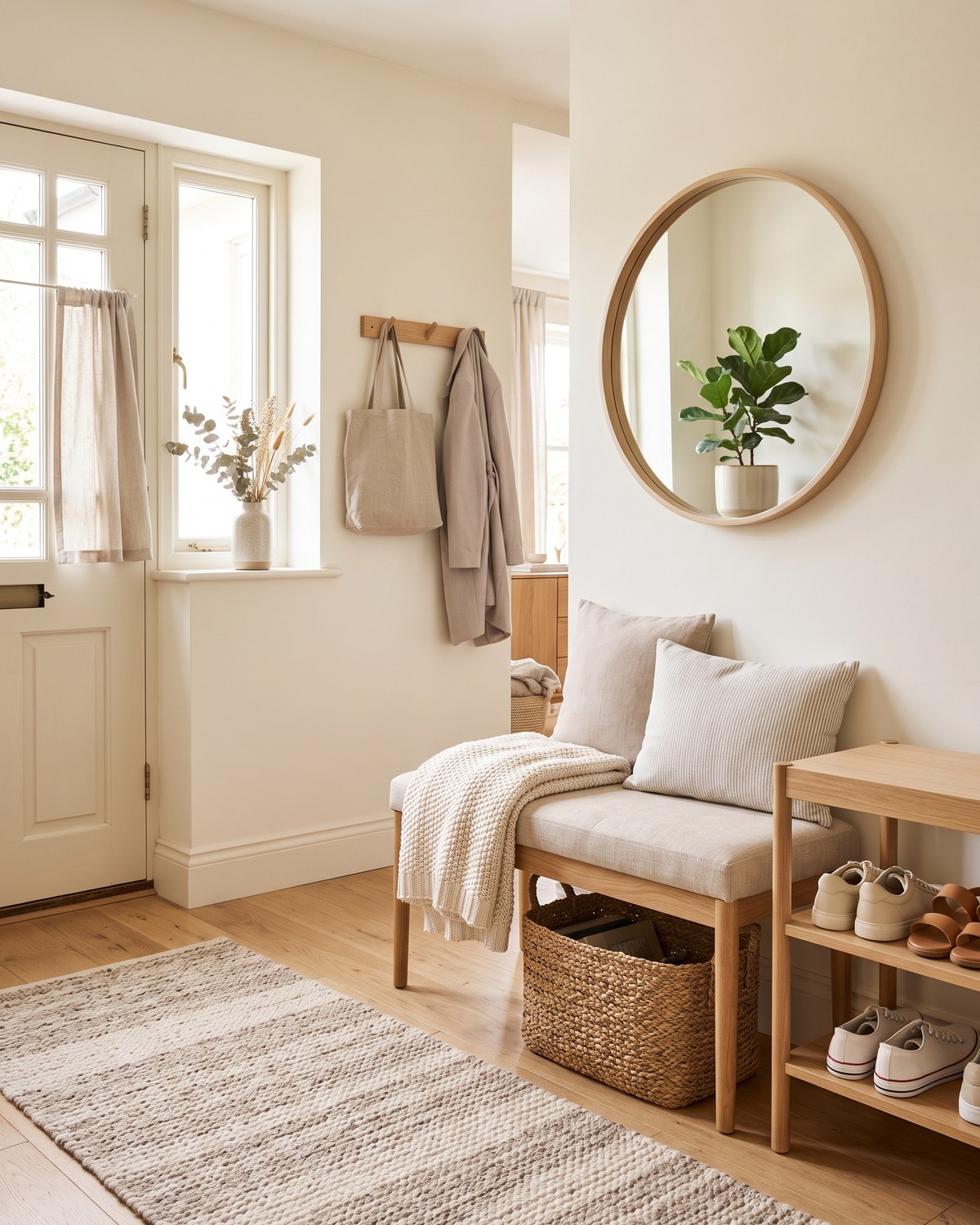
The heap by the door happens because shoes have nowhere to go. Fix that with a dedicated piece that fits your space. A slim shoe rack holds several pairs off the floor and keeps them visible, so nobody kicks them into a corner. Shop on Amazon → In a tight hallway, a shoe storage bench does double duty — a place to sit and pull on boots, with cubbies or a lift-up lid underneath. Shop on Amazon → Whatever you choose, put it exactly where shoes come off, not where it looks tidiest. Storage that isn't on the path gets ignored.
Step 4: Store the off-season and occasion pairs smart
The pairs you're not wearing right now shouldn't crowd the ones you are. Boots and winter shoes in summer, sandals in winter — box them up. Clear stackable shoe boxes let you see what's inside and stack cleanly on a closet shelf, protecting the leather from dust. Shop on Amazon → For flats and sneakers you rotate through, an over-the-door shoe organizer turns the back of a closet door into rows of easy-to-grab pockets without eating floor space. Shop on Amazon → Keep like with like so a whole category is in one place.
Step 5: Contain the small stuff and the mess
Shoes bring their own clutter — laces, polish, spare insoles, a shoehorn, the little brush. Corral it in one small bin on the shoe rack or a closet shelf so it stops floating around. Shop on Amazon → If wet or muddy shoes are a regular problem, a boot tray by the door catches the drips and grit before they track across the floor. Shop on Amazon → One tray, one bin, and the ground around your shoes finally stays clean.
Keep it from creeping back
A shoe system stays calm because it has a clear limit — the rack holds what it holds. When it's full, a new pair means an old pair leaves. Do a two-minute reset each week: match up strays, carry misplaced pairs back to their spot, and wipe the tray. Twice a year, when the seasons flip, swap the boxed pairs for the ones coming into rotation.
The one-minute reset
Every time you come in, take the extra few seconds to set your shoes on the rack instead of dropping them where you stand. That single habit is the whole system — the rack only works if the shoes actually land on it.
Shoes are small, but they set the tone the second you walk through the door. Start this weekend by pulling every pair into one pile and editing down — once you see how few you truly wear, the right storage almost picks itself.